A missing tooth may not seem urgent, especially if it’s toward the back of your mouth or doesn’t affect your smile. Many people in Conroe, The Woodlands, Willis, Montgomery, and nearby communities continue with their daily routines, assuming they can replace it later. While that’s understandable, tooth loss often sets off gradual changes that aren’t immediately noticeable. Over time, those changes can affect how you chew, speak, maintain your oral health, and even the shape of your face.
Understanding what happens after tooth loss can help you make informed decisions before small changes become more complex dental problems.

If you’ve lost a tooth, don’t wait for small changes to become bigger oral health concerns. Dr. Christina Lieng and the team at Element Dental & Orthodontics provide personalized, comprehensive care to help you understand your options and choose the treatment that’s right for your smile. Schedule an appointment today to evaluate your oral health and take the next step toward protecting your smile, comfort, and long-term dental health.
A Missing Tooth Changes More Than Just Your Smile
When a tooth is lost, the visible gap is only part of the story. Beneath the gums, the jawbone depends on stimulation from the tooth’s root every time you bite and chew. Once that stimulation disappears, the body begins to recognize that portion of bone as no longer essential.
As a result, the jawbone gradually shrinks in the area where the tooth once stood. This natural process, called bone resorption, varies from person to person but can begin within the first several months after tooth loss.
Many patients are surprised to learn that this change occurs silently. Since bone loss isn’t something you can see or feel right away, it’s often discovered during routine dental X-rays or when planning a tooth replacement years later.
Why Your Other Teeth Don’t Stay Put
Your teeth are designed to work together as a complete system. When one tooth is missing, neighboring teeth gradually begin to shift into the empty space.
At first, the movement may be minor. Over time, however, shifting teeth can create new problems such as:
- Food trapping between teeth
- Difficulty flossing effectively
- Uneven tooth wear
- Changes in your bite
- Increased risk of cavities and gum disease
Dentists frequently see patients who initially lost one tooth but later require treatment for surrounding teeth because the bite gradually became unstable.
This is one reason replacing a missing tooth isn’t only about filling the gap. It’s also about preserving the position of the healthy teeth that remain.
Chewing Can Become Less Efficient Than You Realize
Many people naturally adapt after losing a tooth. Instead of noticing obvious difficulty, they simply begin chewing on one side of the mouth more often.
While this adjustment feels harmless, it places greater stress on certain teeth while allowing others to do very little work. Over months or years, uneven chewing forces may contribute to cracked teeth, worn restorations, jaw discomfort, or additional tooth damage.
Some patients don’t recognize this habit until a dentist points out excessive wear patterns during an examination.
The Changes Can Extend Beyond Your Teeth
One concern patients often ask about is whether missing teeth affect facial appearance.
The answer depends on several factors, including which tooth is missing, how many teeth have been lost, and how much supporting bone has changed over time.
When jawbone volume decreases, the tissues that rely on that bone for support may gradually lose their underlying foundation. In people with multiple missing teeth, this can contribute to:
- A sunken appearance around the cheeks
- Thinner-looking lips
- Increased wrinkles around the mouth
- A shorter distance between the nose and chin
- An overall older facial appearance
These changes usually happen gradually rather than all at once, making them difficult to notice day by day.
Losing One Tooth Doesn’t Always Mean Major Problems, But It Still Matters
A common misconception is that only multiple missing teeth create long-term complications.
In reality, even a single missing tooth can affect the balance of your bite.
For example, a missing molar may never be visible when you smile, but it still carries significant chewing forces. Without that tooth, neighboring teeth often absorb extra pressure while the opposing tooth may slowly drift out of position because it no longer has a tooth to bite against.
Although these changes develop slowly, they can eventually make future treatment more complicated than if the tooth had been replaced earlier.
Waiting Doesn’t Always Eliminate Your Options
Some patients postpone treatment because life becomes busy, finances change, or the missing tooth simply doesn’t cause pain.
Fortunately, delaying treatment doesn’t automatically mean you’ve lost the opportunity to restore your smile.
Dentists often evaluate several factors before recommending treatment, including:
- The amount of remaining jawbone
- Gum health
- Overall medical history
- Bite alignment
- The condition of neighboring teeth
Even patients who lost a tooth years ago may still be candidates for replacement, although additional procedures such as bone grafting may sometimes be recommended if significant bone loss has occurred.
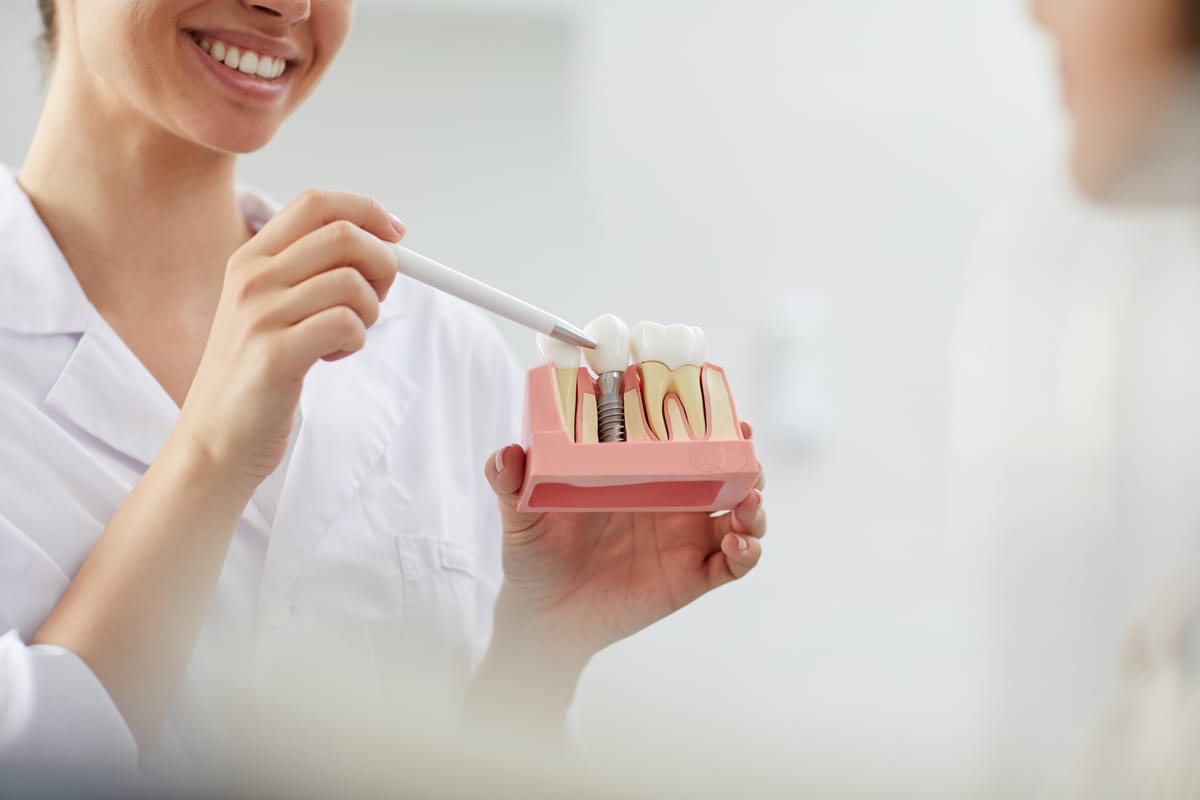
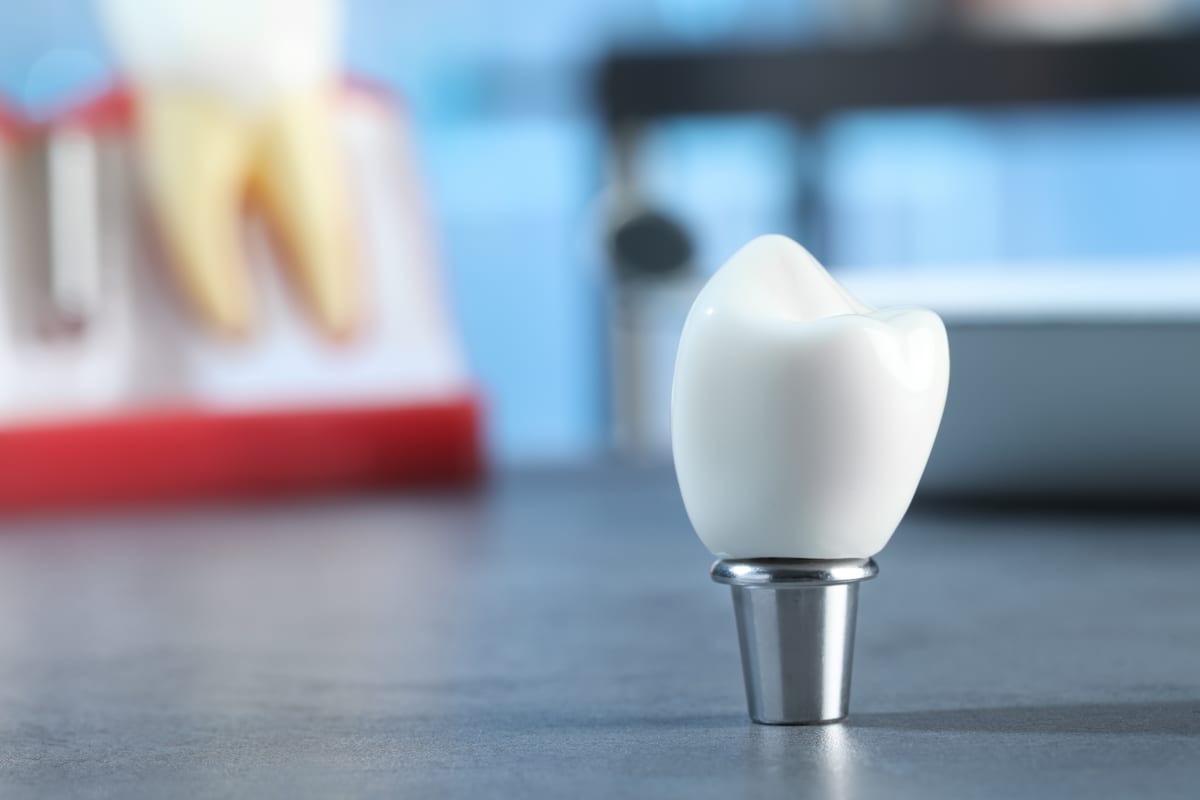
During a consultation, your dentist can determine whether dental implants in Conroe may be an appropriate option or whether another type of restoration would better fit your oral health needs.
Small Changes Are Often the First Warning Signs
Many long-term effects begin subtly.
Rather than severe pain, patients often notice small inconveniences that gradually become more frequent.
Examples include:
- Food consistently getting stuck in one area
- A bite that suddenly feels “different”
- Increased sensitivity in nearby teeth
- Difficulty chewing tougher foods
- Jaw fatigue after meals
- Spaces between teeth that seem to change over time
These signs don’t always indicate serious damage, but they do deserve a professional evaluation because they may signal that the bite is adapting to the missing tooth.
Replacing a Missing Tooth Is About Protecting the Future
When patients ask whether replacing a missing tooth is worth it, the conversation extends beyond appearance.
A properly planned restoration helps preserve normal chewing function, supports neighboring teeth, and reduces the risk of additional complications that may require more extensive treatment later.
Every patient’s situation is different. Someone who recently lost a tooth may have different treatment options than someone who has lived with the space for many years. That’s why a comprehensive examination is the best place to begin.
If you’re considering dental implants, your dentist can evaluate your bone levels, discuss realistic expectations, and explain which treatment approach offers the greatest long-term benefit for your smile.
Frequently Asked Questions
1. Can one missing tooth really cause long-term problems?
Yes. Even one missing tooth can affect how you chew, cause neighboring teeth to shift, and change your bite over time. Replacing the tooth can help maintain proper alignment and reduce the risk of future dental complications.
2. How soon does bone loss begin after losing a tooth?
Bone loss can begin within the first few months after a tooth is lost because the jawbone no longer receives stimulation from the tooth root. The rate varies depending on your overall oral health, the location of the missing tooth, and whether any treatment is provided.
3. Will missing teeth change the shape of my face?
They can, especially if multiple teeth are missing or have been absent for an extended period. As the jawbone shrinks, it may provide less support for the cheeks and lips, which can contribute to a more sunken or aged appearance.
4. Is it okay to wait before replacing a missing tooth?
While waiting may not cause immediate problems, delaying treatment can allow bone loss, tooth movement, and bite changes to develop. An early evaluation can help determine the best timing and treatment options for your situation.
5. Can my other teeth shift into the space?
Yes. Teeth naturally tend to move when there is a space nearby. Over time, this shifting can affect your bite, make oral hygiene more difficult, and increase the risk of tooth wear or decay.
6. What are the treatment options for replacing a missing tooth?
Depending on your oral health and personal goals, your dentist may recommend a dental implant, a dental bridge, or a removable denture. A comprehensive examination can help determine which option is most appropriate for your needs.
7. Is it ever too late to replace a missing tooth?
Not necessarily. Many people successfully replace missing teeth years after they were lost. However, if significant bone loss has occurred, additional procedures such as bone grafting may be recommended before certain treatments.
8. When should I see a dentist after losing a tooth?
It’s best to schedule an evaluation as soon as possible, even if the missing tooth isn’t causing pain. Early assessment allows your dentist to monitor healing, discuss replacement options, and help prevent long-term changes to your oral health.