
A chipped tooth after biting into something hard, a crack that appeared without warning, or a cavity that has been ignored for too long can leave you wondering whether the tooth can still be saved. The good news is that many damaged teeth can be repaired with the right treatment, especially when the problem is addressed early.
At Element Dental & Orthodontics, Dr. Rekha Manoharan helps patients restore damaged teeth with personalized treatment plans designed to preserve as much healthy tooth structure as possible. If you are considering restorative dentistry, understanding your treatment options is the first step toward protecting your smile.
Can Every Damaged Tooth Be Saved?
Not every damaged tooth requires extraction. In many cases, dentists can restore a tooth affected by decay, fractures, or wear using modern restorative techniques. An experienced Bryan dentist can evaluate the extent of the damage and recommend the most conservative treatment to preserve your natural tooth whenever possible.
Whether a tooth can be saved depends on several factors, including:
- The amount of healthy tooth structure remaining
- Whether the damage extends below the gumline
- The condition of the tooth’s root
- The health of the surrounding bone and gums
- Whether an infection has reached the dental pulp
Even teeth with significant damage can often be restored with treatments such as dental crowns or root canal therapy. The sooner the problem is diagnosed, the more treatment options are typically available, making it important to schedule an evaluation as soon as you notice signs of damage.
What Determines Whether a Tooth Can Be Restored?
Every damaged tooth is different. During your examination, your dentist will evaluate the extent of the damage before recommending treatment.
Some of the key considerations include:
Type of Damage
Minor chips, cavities, worn enamel, and small fractures are generally easier to repair than teeth with extensive structural damage.
Location of the Damage
Damage above the gumline is often easier to restore. If the fracture extends below the gums or into the root, treatment becomes more complex.
Tooth Vitality
If the nerve inside the tooth remains healthy, a filling or crown may be enough. If the pulp becomes infected, root canal therapy may be necessary before restoring the tooth.
Overall Oral Health
Healthy gums and adequate bone support play an important role in determining whether a tooth can be successfully restored.
Restorative Dentistry Options for Damaged Teeth
Modern restorative dentistry offers several solutions depending on the severity of the damage.
Dental Fillings
Small cavities and minor chips can often be repaired with tooth-colored composite fillings.
A filling restores the missing portion of the tooth while preserving most of the natural structure. Because composite materials blend with your existing teeth, they also provide a natural-looking result.
Dental Crowns
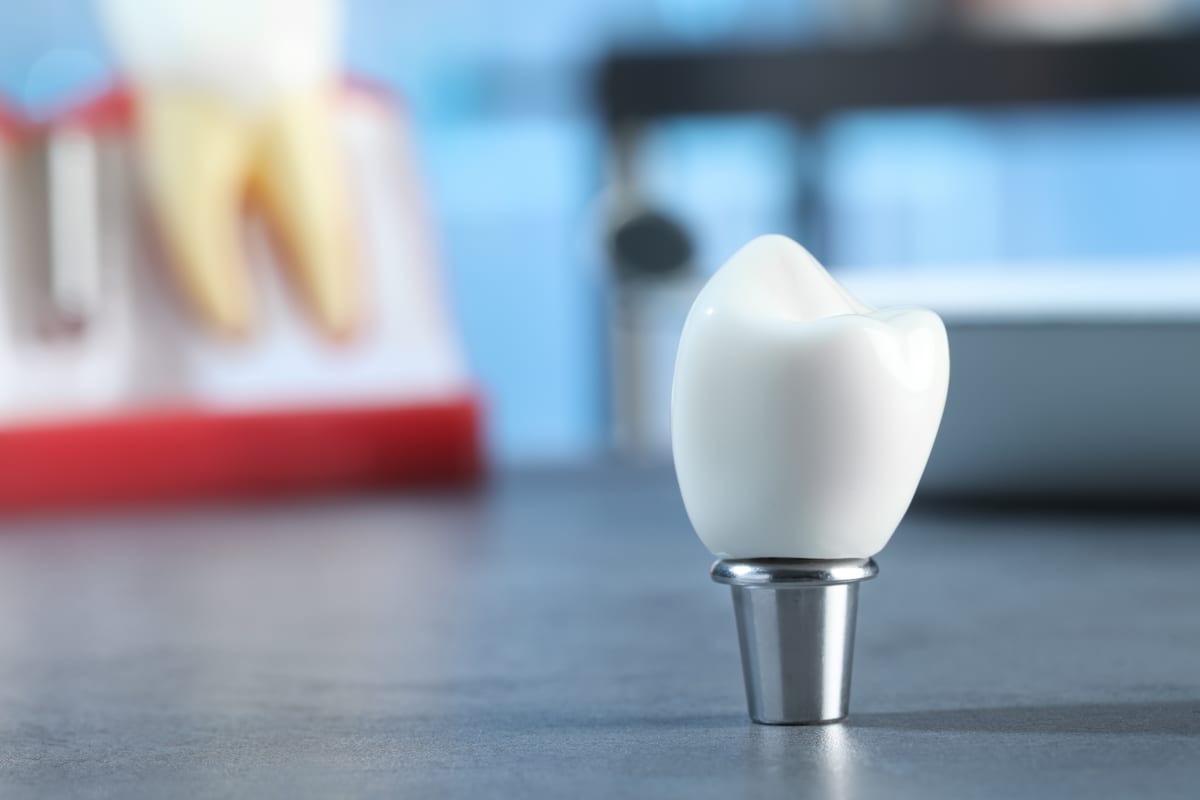
When a tooth has lost a significant amount of structure, a dental crown may be recommended.
A crown covers the entire visible portion of the tooth, restoring its:
- Strength
- Shape
- Function
- Appearance
Crowns are commonly used for teeth with large fillings, fractures, or extensive decay.
Root Canal Therapy
If bacteria reach the pulp inside the tooth, the infection must be removed before the tooth can be restored.
During root canal therapy, the infected tissue is removed, the inside of the tooth is cleaned and sealed, and the tooth is typically protected with a crown afterward.
Despite common misconceptions, root canal treatment is designed to relieve pain and preserve your natural tooth whenever possible.
Dental Bridges
If a damaged tooth cannot be saved and must be removed, a dental bridge can replace the missing tooth by using the neighboring teeth for support.
Bridges restore:
- Your ability to chew comfortably
- A complete smile
- Proper bite alignment
- Natural speech
Dental Implants
When extraction is unavoidable, dental implants provide a long-term replacement option.
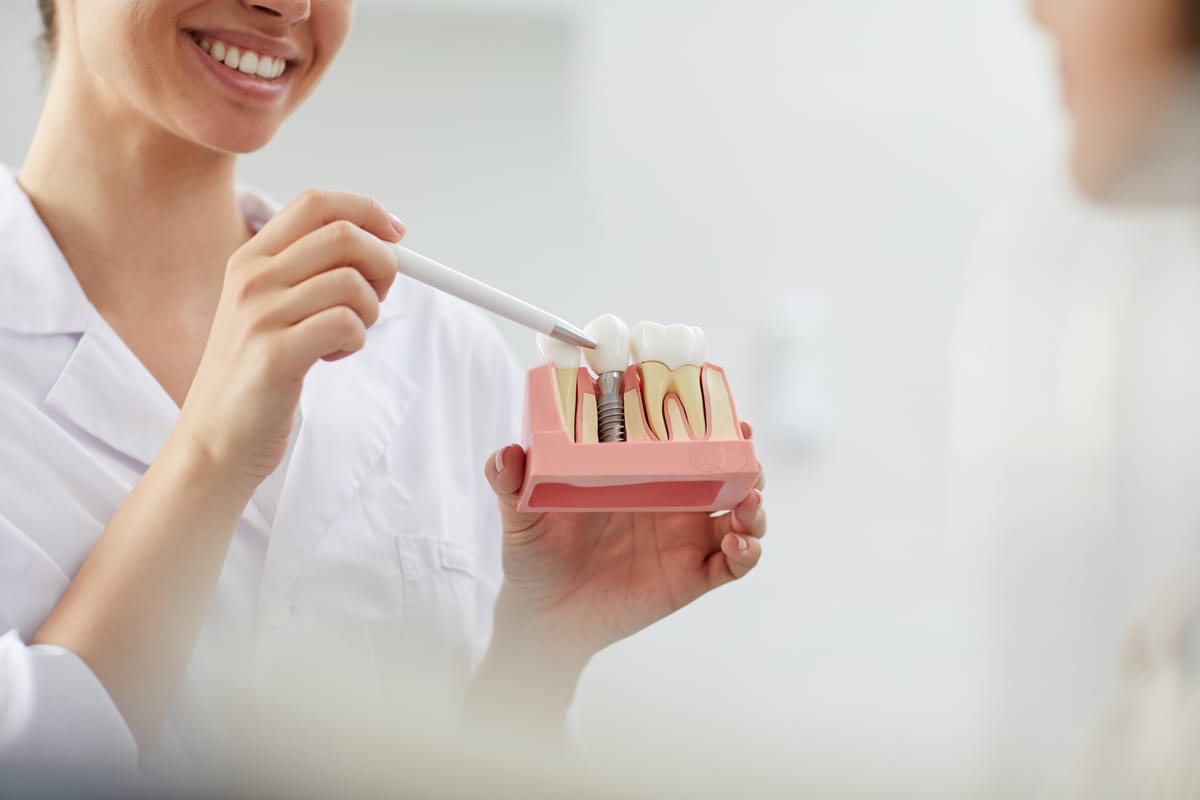
An implant replaces the missing tooth root and supports a custom dental crown, offering stability and helping maintain jawbone health.
When Is Tooth Extraction the Better Choice?
While preserving natural teeth is usually the preferred approach, there are situations where extraction may be the healthiest option.
A tooth may not be salvageable if it has:
- A fracture that extends deep below the gumline
- Severe bone loss from advanced gum disease
- Extensive decay that leaves too little healthy tooth structure
- Repeated infections that cannot be successfully treated
- Irreparable root damage
If extraction becomes necessary, your dentist will discuss replacement options to restore your smile and maintain proper oral function.
Why Acting Early Improves Your Chances of Saving a Tooth
Many dental problems become more complicated over time.
A small cavity may eventually require a crown. A cracked tooth can worsen with daily chewing. An untreated infection may spread to the tooth’s root, increasing the likelihood of extraction.
Seeking treatment early offers several benefits:
- More conservative treatment options
- Greater chance of preserving the natural tooth
- Less invasive procedures
- Lower long-term treatment costs
- Reduced risk of infection and additional damage
Even if your tooth is not causing pain, it is worth having it evaluated. Some forms of damage progress silently before symptoms develop.
How Your Dentist Chooses the Right Treatment
Choosing the appropriate restoration is not simply about repairing visible damage. Your dentist considers your overall oral health, lifestyle, bite, and long-term goals.
At your appointment, the evaluation may include:
- A comprehensive dental examination
- Digital X-rays to assess internal damage
- Bite analysis
- Discussion of your symptoms and dental history
Based on these findings, Dr. Rekha Manoharan will recommend the treatment that provides the best balance of function, durability, and preservation of your natural tooth.
Protect Your Smile Before Minor Damage Becomes a Bigger Problem
A damaged tooth does not automatically mean you will lose it. With early diagnosis and the appropriate treatment, many teeth can continue functioning comfortably for years.
Whether you have a chipped tooth, a large cavity, or a cracked restoration, prompt evaluation can make all the difference. If you are considering restorative dentistry, Dr. Rekha Manoharan and the team at Element Dental & Orthodontics provide personalized treatment plans to help restore your oral health and confidence.
If you are experiencing tooth damage or discomfort, visit our dental practice in Bryan, TX, for a comprehensive evaluation. Our team will determine whether your tooth can be restored and recommend the treatment option that best supports your long-term oral health. Schedule your appointment today to take the first step toward saving your smile.
Frequently Asked Questions
Can a cracked tooth be repaired without removing it?
Yes. Many cracked teeth can be restored with a dental crown or other restorative treatment, provided the crack has not extended too far into the root. Early evaluation offers the best chance of saving the tooth.
How do dentists decide between a filling and a crown?
A filling is typically used when only a small portion of the tooth is damaged. If the tooth has lost significant structure or is at risk of breaking, a crown provides greater strength and protection.
Is a root canal better than having the tooth extracted?
When possible, preserving your natural tooth is generally the preferred option. Root canal therapy removes infection while allowing you to keep the tooth, which helps maintain normal chewing function and jaw alignment.
Can an old filling be replaced if it fails?
Yes. Worn, cracked, or leaking fillings can often be replaced before they lead to more serious damage. Regular dental checkups help identify failing restorations early.
What happens if I wait too long to treat a damaged tooth?
Delaying treatment can allow decay, cracks, or infection to worsen. A problem that could have been treated with a filling may eventually require a crown, root canal therapy, or even extraction if left untreated.
Related Articles
By Element Dental & Orthodontics

By Element Dental & Orthodontics