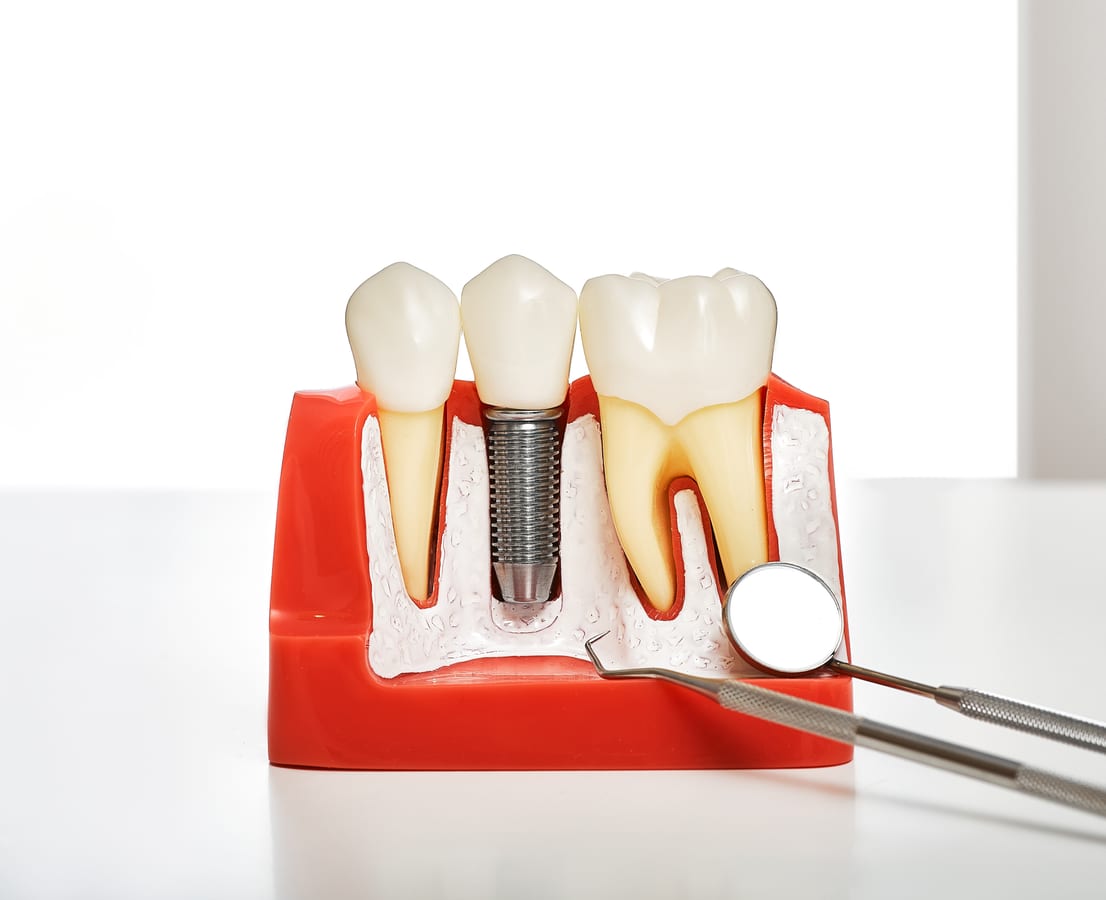

When your dentist mentions a crown or a veneer, it can feel overwhelming. Both restore your smile, but they serve very different purposes. Understanding crowns vs. veneers — which does your tooth actually need in Bryan — starts with knowing what each one does clinically. Dr. Rekha Manoharan at Element Dental & Orthodontics in Bryan, TX helps patients make this decision every day.
This guide breaks down the clinical reasoning behind each option. It is not about which looks better in a photo. It is about what your specific tooth actually needs to stay healthy and functional long-term.
What Is the Core Difference Between a Crown and a Veneer?
A dental crown covers the entire visible tooth above the gumline. It wraps all the way around, like a cap. A veneer, on the other hand, covers only the front-facing surface of the tooth. Think of a veneer as a thin shell bonded to the front.
This structural difference drives every clinical decision. A crown protects a tooth from all directions. A veneer primarily improves appearance on one side. That distinction matters enormously when choosing the right treatment.
- Crown: Full coverage — protects the entire outer surface of the tooth
- Veneer: Partial coverage — bonds only to the front-facing enamel
- Crown thickness: Typically 1.5–2mm all around
- Veneer thickness: Usually 0.5–1mm on the front surface only
- Tooth preparation: Crowns require more reshaping; veneers require minimal removal
Your dentist evaluates tooth structure, damage level, and bite forces before recommending either option. A beautiful veneer placed on a structurally compromised tooth will not hold up. That is why the clinical picture always comes first.
When Does Your Bryan Dentist Choose a Crown?
Crowns become the right call when a tooth has significant structural damage. If decay has eaten through a large portion of the tooth, a veneer simply cannot support what remains. The tooth needs full circumferential protection to survive daily chewing forces.
Dr. Manoharan typically recommends a crown in these clinical situations:
- A tooth has had a root canal and needs structural reinforcement
- A large old filling has cracked or broken down significantly
- The tooth has a fracture that extends near the gumline
- Decay has compromised more than half of the natural tooth structure
- The tooth is a molar bearing heavy bite load
- An existing crown needs replacement due to wear or damage
Crowns also make sense when a tooth needs to anchor a dental bridge. The crown provides the mechanical connection needed to support artificial teeth on either side. Veneers cannot serve that function at all.
If you have broken a tooth suddenly, that is often a dental emergency. You can learn more about Emergency Dental Care Bryan at Element Dental if you need urgent attention.
When Does a Veneer Make More Clinical Sense?
Veneers shine when the underlying tooth structure is largely intact. The tooth is healthy and strong, but cosmetic flaws are affecting your confidence. Chips, stains, minor misalignment, and shape irregularities are all valid veneer candidates.
Because veneers require removing only a thin layer of enamel, they preserve more natural tooth structure. That is a meaningful clinical advantage when the tooth does not need full coverage. Less removal means less irreversible alteration to your tooth.
Veneers work especially well on front teeth. These teeth handle less biting force than molars, making thin porcelain shells more sustainable long-term. Placing a veneer on a back molar, however, would be clinically inappropriate for most patients.
The key question your dentist asks is simple: Does this tooth need protection, or does it just need cosmetic refinement? If the answer is protection, a crown wins. If the answer is refinement, a veneer is likely sufficient.
Crowns vs. Veneers: What the Evaluation Process Looks Like in Bryan
At Element Dental & Orthodontics in Bryan, TX, Dr. Manoharan follows a structured evaluation before recommending either treatment. She examines X-rays, checks bite alignment, and measures how much healthy tooth structure remains. No recommendation comes before a thorough look at the full clinical picture.
She also considers your bite pattern. Patients who grind their teeth at night put enormous stress on restorations. A veneer on a heavy grinder may chip prematurely. In that case, a crown — combined with a nightguard — makes more clinical sense even for cosmetic goals.
The evaluation also includes checking the gumline and root health. A tooth with gum recession or bone loss may need a different treatment plan entirely before any crown or veneer is placed. Restorations only succeed on a healthy foundation.
If you are preparing for your first visit, having your paperwork ready speeds things up. You can access Patient Forms Bryan ahead of your appointment to save time at the front desk.
Can You Switch From a Veneer to a Crown Later?
Yes, you can — and this happens more often than patients expect. A tooth that started as a cosmetic concern can develop new damage over years. Decay can develop under a veneer. A crack can progress. When that happens, the veneer may need to come off and a crown placed instead.
This is one reason Dr. Manoharan emphasizes choosing the right restoration from the beginning. A veneer placed on a tooth that truly needed a crown will likely fail sooner. That means more procedures and more cost over time.
The reverse — going from a crown to a veneer — is not typically possible. Once a tooth is prepared for a crown, it always needs a crown. That level of reduction cannot be undone. This makes the initial clinical decision extremely important.
Frequently Asked Questions
How long do crowns and veneers typically last?
Dental crowns generally last 10 to 15 years or longer with good care. Porcelain veneers typically last 10 to 12 years before needing replacement. Both lifespans depend on oral hygiene habits, bite forces, and regular dental checkups.
Does getting a crown or veneer hurt?
Neither procedure should cause significant pain. Your dentist numbs the area thoroughly before any tooth preparation begins. You may feel mild sensitivity for a few days after placement, but this typically resolves quickly on its own.
Are veneers only for cosmetic purposes?
Veneers are primarily cosmetic, but they do add a layer of protection to the front surface of the tooth. They are not designed to protect a structurally compromised tooth. If your tooth needs functional protection, a crown is the clinically appropriate choice.
Can a crown be placed on a front tooth?
Absolutely. Crowns are placed on front teeth when decay, fracture, or damage is significant. Modern porcelain crowns are designed to match your natural tooth color closely. Many patients cannot tell the difference between a crown and a natural tooth on front teeth.
What happens if I delay getting a crown my dentist recommended?
Delaying a recommended crown allows the underlying problem to progress. A cracked tooth can split further, sometimes reaching the root. Decay can spread to neighboring teeth. What starts as a straightforward crown may become a more complex procedure if left too long.
If you are unsure whether your tooth needs a crown or a veneer, a clinical evaluation is the only reliable way to know. Dr. Rekha Manoharan and the team at Element Dental & Orthodontics in Bryan, TX are here to walk you through every step with honest, patient-focused guidance. Book Now to schedule your appointment with our team.