
If you’ve recently had oral surgery, or you’re planning a procedure, one question probably tops your list. How long will my results actually last? Understanding your oral surgery results and how long they really last in Bryan is key to making informed decisions about your care. The answer depends on the procedure, your habits, and how consistently you follow up with your dental team. Let’s break it down clearly so you know exactly what to expect.
What Affects How Long Oral Surgery Results Last?
No two patients are exactly alike. Your results depend on several factors working together. Genetics, bone density, oral hygiene, and lifestyle all play major roles in how well your outcomes hold up over time.
Smoking is one of the biggest threats to long-term results. It slows healing and increases the risk of infection significantly. Patients who smoke after procedures like extractions or implant placements often see faster deterioration of their results.
Diet and nutrition also matter more than most people realize. A diet rich in calcium and vitamins supports healthy bone and tissue. Conversely, excessive sugar and acidic foods can undermine healing and lead to complications down the line.
- Tobacco use — significantly shortens the lifespan of surgical outcomes
- Poor oral hygiene — leads to infection and tissue breakdown
- Underlying health conditions — such as diabetes, which affects healing speed
- Grinding or clenching — puts excess stress on surgical sites
- Skipping follow-up appointments — allows small issues to become major problems
How Long Do Common Oral Surgery Results Last?
Different procedures have very different timelines. Knowing what to expect from each helps you plan your care properly. Here’s a practical look at the most common oral surgery outcomes and their typical lifespans.
Tooth extractions heal fully in about four to six weeks for soft tissue. Bone remodeling can take three to six months. If the site is left untreated, neighboring teeth may shift over time.
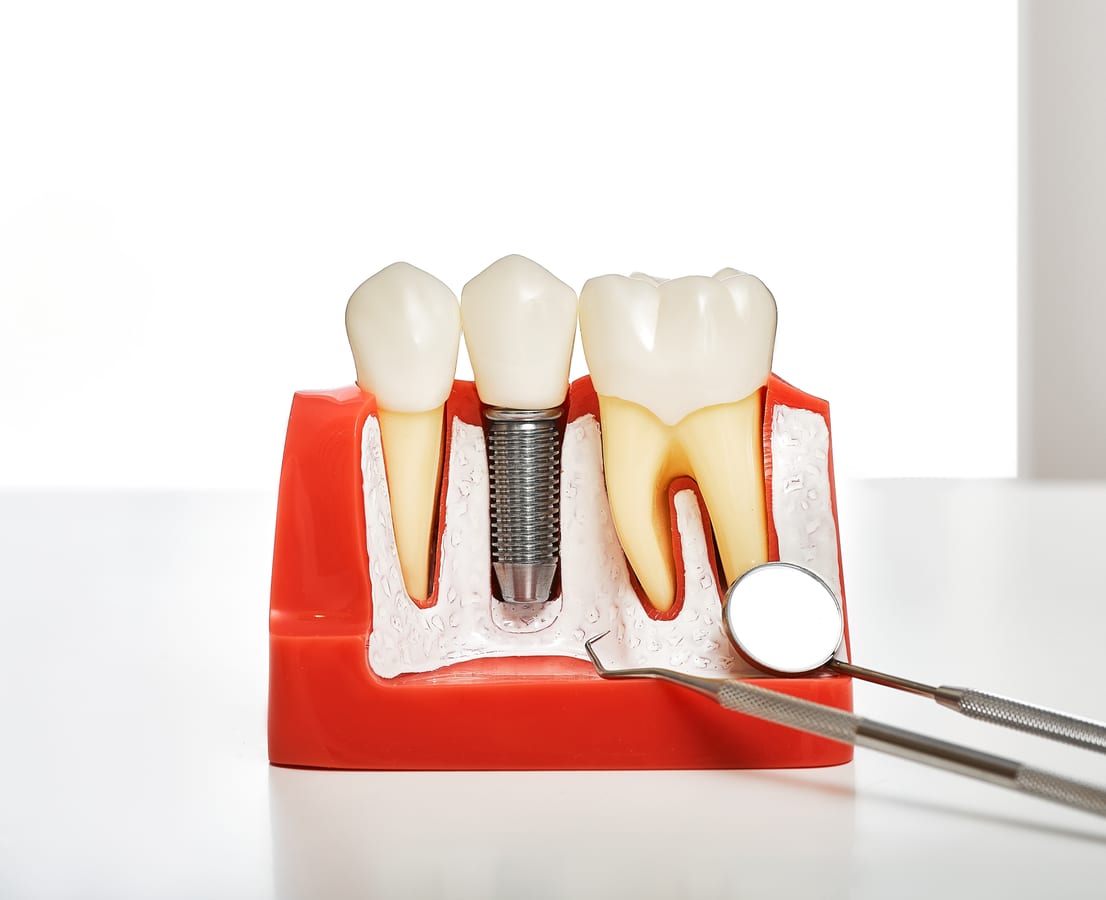
Dental implants are designed to be a permanent solution. With proper care, they can last 25 years or even a lifetime. However, the crown attached to the implant may need replacement after 10–15 years due to normal wear.
Bone grafting results are highly dependent on the patient’s healing response. Grafts typically integrate within three to six months. Success rates are very high when patients follow post-operative care instructions carefully.
Gum surgery outcomes can last many years with consistent home care and professional cleanings. Without proper maintenance, gum disease can return and compromise the results. Regular visits to your Bryan dental team make a significant difference here.
What You Can Do to Extend Your Oral Surgery Results
Your behavior after surgery is just as important as the procedure itself. The good news is that most longevity factors are within your control. Small daily habits can add years to your results.
Brushing twice daily and flossing once a day removes the bacteria that threaten surgical sites. Using an antibacterial mouthwash as directed by your dentist further protects healing tissue. These simple steps form the foundation of long-lasting results.
- Attend all scheduled follow-up appointments at Element Dental & Orthodontics- Bryan
- Brush with a soft-bristled toothbrush to avoid irritating sensitive areas
- Avoid hard, crunchy, or sticky foods during the healing phase
- Stay hydrated – saliva helps protect oral tissues naturally
- Wear a nightguard if you grind your teeth during sleep
- Notify your dentist immediately if you notice swelling, pain, or unusual changes
Patients who commit to these habits consistently see noticeably better long-term outcomes. It’s not about perfection – it’s about staying consistent over time. A little daily effort goes a very long way.
How Cosmetic and Restorative Treatments Interact with Oral Surgery
Oral surgery often lays the groundwork for additional dental treatments. Many patients in Bryan pursue restorative or cosmetic work after their surgical healing is complete. Understanding how these treatments connect helps you plan a comprehensive care journey.
For example, after a tooth extraction, you may consider a dental implant or bridge to restore function. Once implants are fully integrated, patients often explore Cosmetic Dentistry in Bryan options to enhance their smile further. This combination approach delivers both functional and aesthetic results that can last for decades.
When decay or damage contributed to the need for surgery, addressing remaining teeth is equally important. Your dentist may recommend dental fillings to restore compromised teeth and prevent future extractions. Treating underlying issues protects the investment you’ve made in your surgical outcome.
A well-coordinated treatment plan ensures every step supports the next. Dr. Rekha Manoharan takes a whole-mouth approach to care at Element Dental & Orthodontics- Bryan. This means your oral surgery results are protected within the context of your overall oral health.
The Role of Regular Dental Visits in Protecting Your Results
Post-surgical care doesn’t end once you feel better. Ongoing professional monitoring is essential to catching problems early. Patients in Bryan who maintain regular dental checkups consistently enjoy better long-term outcomes from oral surgery.
Professional cleanings remove tartar buildup that home brushing simply can’t address. Your dental hygienist can also spot early signs of complications before they become serious. Catching an issue at six months is far easier than treating it at two years.
Dr. Rekha Manoharan recommends that most patients schedule checkups every six months. Some patients with complex surgical histories may benefit from more frequent visits. Your specific schedule will be tailored to your unique needs and recovery progress.
X-rays taken during routine visits also help monitor bone levels and implant stability over time. This imaging gives the care team valuable data that a visual exam alone cannot provide. Staying consistent with these visits is one of the most powerful things you can do for your results.
Conclusion: Protecting Your Investment in Bryan
Your oral surgery results can last many years, even a lifetime, with the right approach. The key is understanding that surgery is the beginning of the process, not the end. Daily habits, professional care, and smart follow-up work together to protect everything you’ve invested in your health and smile. At Element Dental & Orthodontics- Bryan, Dr. Rekha Manoharan and her team are committed to helping Bryan patients achieve results that truly stand the test of time. Contact us to schedule your appointment with our team.
Frequently Asked Questions
How long does it take to fully recover from oral surgery?
Most patients experience soft tissue healing within two to four weeks. Full bone healing can take three to six months depending on the procedure. Following your dentist’s post-operative instructions carefully speeds up the recovery process significantly.
Can oral surgery results fail years after the procedure?
Yes, results can deteriorate over time without proper maintenance. Factors like gum disease, bone loss, or neglected hygiene can compromise outcomes years later. Regular dental visits help catch and address these issues early before they cause major problems.
Are dental implants really permanent after oral surgery?
Dental implants are designed to be a long-term or permanent solution when properly cared for. The implant itself can last a lifetime in many cases. However, the prosthetic crown attached to it typically needs replacement every 10 to 15 years due to normal wear.
What habits should I change after oral surgery to protect my results?
Quitting tobacco is the single most impactful change you can make. Maintaining daily brushing and flossing, eating a balanced diet, and attending all follow-up appointments also protect your results. If you grind your teeth, ask Dr. Rekha Manoharan about a custom nightguard.
How often should I visit the dentist after oral surgery?
Most patients should visit every six months for routine care and monitoring. Patients with more complex surgical histories may need more frequent checkups. Your care schedule at Element Dental & Orthodontics- Bryan will be personalized based on your specific procedure and healing progress.