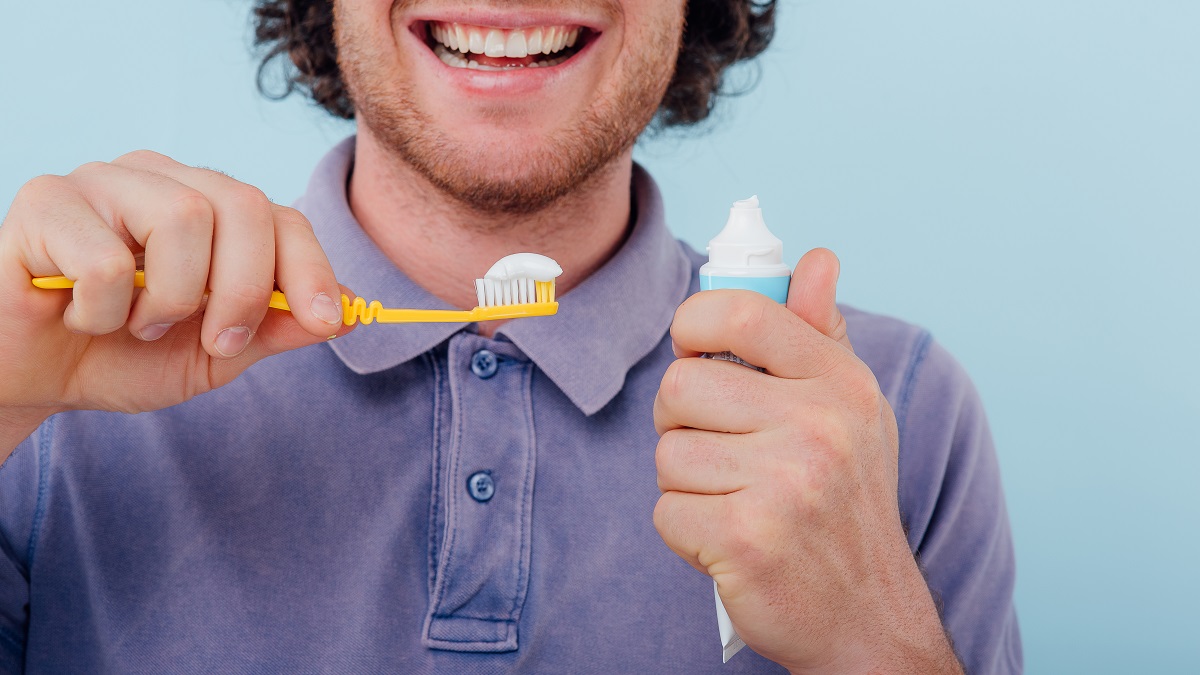
If you live in Bryan, College Station, or nearby communities, you’ve probably looked in the mirror after brushing and wondered why your teeth still don’t look as white as you’d expect. Many people assume that brushing twice a day should automatically produce a bright smile. When it doesn’t, it’s easy to feel frustrated or think you’re doing something wrong. In reality, tooth color depends on much more than your brushing routine.
About Dr. Rekha Manoharan and Element Dental & Orthodontics
Dr. Rekha Manoharan and the team at Element Dental & Orthodontics believe patient education is just as important as treatment. By taking time to understand each patient’s concerns, they recommend personalized solutions that protect oral health while helping patients achieve confident, natural-looking smiles.
Have questions about your smile? Contact Element Dental & Orthodontics to schedule your personalized consultation today.
Brushing Cleans Your Teeth, But It Doesn’t Always Change Their Color
One of the biggest misconceptions dentists hear is, “I brush every day, so why aren’t my teeth white?”
Brushing removes plaque, food particles, and bacteria from the surface of your teeth. That’s essential for preventing cavities and gum disease, but it doesn’t necessarily remove all types of discoloration.
Think of it this way. Washing a white shirt removes dirt, but it won’t restore its original brightness if the fabric itself has faded over time. Teeth work much the same way.
Some discoloration sits on the outside of the tooth and can often be reduced through professional cleaning. Other discoloration develops beneath the enamel, where a toothbrush simply cannot reach.
Sometimes Your Teeth Are Naturally More Yellow Than White
Many patients are surprised to learn that healthy teeth are not naturally bright white.
The outer layer of your tooth, called enamel, is slightly translucent. Beneath it lies dentin, which naturally has a yellow or ivory appearance. If your enamel is thinner because of genetics or age, more of that dentin becomes visible.
This is something dentists commonly point out during routine exams. Two patients with equally healthy smiles can have noticeably different tooth shades simply because of differences in enamel thickness.
Daily Habits May Be Working Against You
Even excellent brushing habits can’t completely prevent staining from everyday foods and drinks.
Some of the most common contributors include:
- Coffee
- Tea
- Red wine
- Dark-colored sodas
- Tomato-based sauces
- Curry
- Tobacco products
These pigments gradually attach to microscopic pores in your enamel. Brushing removes some fresh stains, but years of exposure often leave behind discoloration that requires more than a toothbrush.
Patients searching for professional teeth whitening near me are often surprised to learn that their oral hygiene has been excellent all along. The issue isn’t poor brushing. It’s accumulated staining that has built up over time.
Brushing Harder Can Actually Make Things Worse
When patients notice yellow teeth, some respond by brushing more aggressively.
Unfortunately, this can have the opposite effect.
Excessive brushing pressure may gradually wear away enamel, exposing more of the naturally yellow dentin underneath. It can also contribute to tooth sensitivity and gum recession.
Dentists generally recommend:
- A soft-bristled toothbrush
- Gentle circular brushing motions
- Two minutes of brushing twice daily
- Replacing your toothbrush every three to four months
Good technique is far more effective than brushing with extra force.
Whitening Toothpaste Has Its Limits
Many whitening toothpastes promise dramatic improvements, but it’s important to understand what they actually do.
Most whitening toothpastes contain mild polishing agents that help remove surface stains. They cannot significantly change your natural tooth color or eliminate discoloration beneath the enamel.
If you’ve been using whitening toothpaste for months without noticeable improvement, that doesn’t necessarily mean the product has failed. It may simply mean your discoloration requires a different approach.
During consultations for teeth whitening in Bryan, dentists often explain the difference between surface staining and intrinsic discoloration before recommending treatment.
Sometimes Yellow Teeth Point to Something Else
Not every case of yellow teeth is simply cosmetic.
Dentists also evaluate for conditions such as:
- Heavy tartar buildup
- Enamel erosion
- Previous dental trauma
- Certain medications
- Developmental enamel defects
- Aging-related changes
Occasionally, a single tooth becoming darker than the others may indicate an issue inside the tooth rather than ordinary staining. That’s one reason dentists recommend an evaluation instead of assuming whitening is the right solution.
A professional examination helps determine whether improving the appearance of your smile begins with whitening, cleaning, restorative treatment, or addressing an underlying dental concern.
What Dentists Notice That Patients Often Miss
In everyday practice, dentists frequently meet patients who apologize for having “poor brushing habits.”
After examining their teeth, the reality is often very different.
Many brush consistently, floss regularly, and attend routine cleanings. Their yellow appearance may instead result from years of coffee consumption, naturally thinner enamel, or gradual aging.
Others have stains concentrated around older dental work, where whitening alone won’t create an even smile. In these situations, treatment planning focuses on achieving a balanced, natural appearance rather than simply making teeth as white as possible.
These individualized recommendations are one reason over-the-counter products don’t deliver the same results for everyone.
Patients considering professional teeth whitening often discover that understanding the source of discoloration is the first step toward choosing the most effective treatment.
Knowing When It’s Worth Scheduling an Evaluation
You don’t necessarily need treatment because your teeth aren’t perfectly white.
However, it may be worth scheduling a dental visit if you notice:
- Yellowing that continues to worsen.
- One tooth becoming darker than the others.
- Increased tooth sensitivity.
- Stains that don’t improve after professional cleanings.
- Discoloration following an injury.
- Yellowing accompanied by pain or swelling.
These situations may require more than cosmetic whitening and deserve a professional evaluation.
If your teeth are healthy and the discoloration is primarily cosmetic, modern whitening treatments can safely brighten your smile while minimizing sensitivity.
Patients exploring teeth whitening often appreciate learning which option is most appropriate for their specific type of discoloration rather than relying on trial and error with store-bought products.
A Brighter Smile Starts With the Right Diagnosis
If you’ve been brushing twice a day but still aren’t seeing the results you want, the answer may not be changing your toothbrush or toothpaste. At Element Dental & Orthodontics, Dr. Rekha Manoharan and our team take the time to identify why your teeth appear yellow before recommending the most appropriate solution. Whether the answer is a professional cleaning, customized whitening, or another treatment, we’re here to help you achieve a healthier, more confident smile. Contact us today to schedule your consultation.
A yellow smile doesn’t automatically mean you’re neglecting your oral health. Many factors beyond brushing influence tooth color, and understanding those factors can help you make informed decisions instead of relying on guesswork. By identifying the true cause of discoloration, we can recommend solutions that are safe, realistic, and tailored to your smile goals.
Frequently Asked Questions
Why are my teeth still yellow if I brush twice a day?
Brushing removes plaque and bacteria but doesn’t eliminate every type of stain. Natural tooth color, enamel thickness, aging, and deep discoloration all influence how white your teeth appear.
Can healthy teeth naturally look yellow?
Yes. Many healthy teeth have a naturally ivory or slightly yellow appearance because of the dentin beneath the enamel.
Does brushing more often make teeth whiter?
Not necessarily. Brushing more frequently than recommended won’t significantly whiten teeth and may contribute to enamel wear if done aggressively.
Can coffee stains become permanent?
Over time, repeated exposure to coffee, tea, and similar beverages can create stains that become difficult to remove with brushing alone.
Is whitening toothpaste enough?
Whitening toothpaste works best on mild surface stains. It cannot change the underlying color of your teeth or treat deeper discoloration.
Why is only one tooth turning yellow?
A single discolored tooth may indicate previous trauma, nerve changes, or another dental condition that should be evaluated by your dentist.
Are professional whitening treatments safe?
When performed under a dentist’s supervision, professional whitening is considered safe for most healthy patients and is customized to minimize sensitivity.
How do dentists determine the cause of yellow teeth?
Your dentist evaluates the location, pattern, and depth of discoloration, along with your medical history, diet, and oral health, to recommend the most appropriate treatment.